

How We Reduced Cost per Lead from €35 to €7 and Tripled Weekly Leads for a Physiotherapy & Osteopathy Clinic
Overview
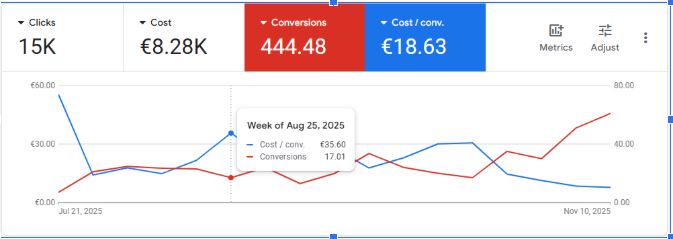
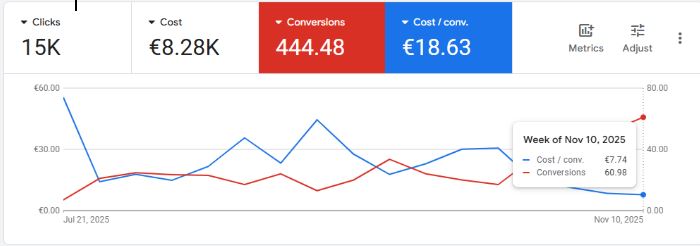
When unreliable performance data limits optimization, even strong demand can fail to generate real growth. A premium physiotherapy and osteopathy clinic was generating substantial search traffic through Google Ads, yet conversion volume remained limited, and cost per lead continued to rise. Despite high impressions and consistent user activity, restricted tracking accuracy under EU consent regulations weakened conversion signals and prevented effective campaign optimization. Weekly lead volume remained below scalable levels, while acquisition costs averaged around €35 per lead. Recognizing that the core issue was not demand but data reliability, hdm stepped in to rebuild accurate measurement signals and restore campaign performance. Through a structured, data-first optimization approach, the team focused on improving tracking accuracy, strengthening conversion signals, and enabling scalable lead generation while maintaining full compliance with EU privacy requirements.Key Results Delivered:
reduced €35 to €7
Average Cost per Lead
scaled to 50–60 leads
Weekly conversions
Challenges
Before optimization, the clinic was facing clear performance bottlenecks:- High clicks, low conversions: Impressions and traffic were strong, but they didn’t convert into real leads.
- High Cost per Lead: An average CPL of around €35 made scaling inefficient and unsustainable.
- Low weekly lead volume: Despite strong brand searches, weekly conversions remained under 30.
- Consent Mode limitations: EU privacy requirements restricted accurate tracking and weakened conversion signals.
Solution
We applied a structured, two‑step optimization approach focused on fixing data first, then improving performance.Step 1: Fix the Data & Consent Mode
We designed and implemented a Consent Mode setup optimized for higher user acceptance while staying fully compliant with EU regulations. This step focused on rebuilding reliable performance signals.- Designed and implemented an optimized Consent Mode
- Built clean and reliable conversion signals
- Stabilized tracking for impressions, clicks, and conversions
- Created a solid data foundation for smarter optimization
Step 2: Target Better Users & Scale Performance
Once the data foundation was reliable, we activated performance‑focused optimizations to turn traffic into real results.- Audience targeting based on actual user behavior
- Prioritizing users with higher conversion intent
- UX improvements
- Bidding strategy adjustments
Before
After